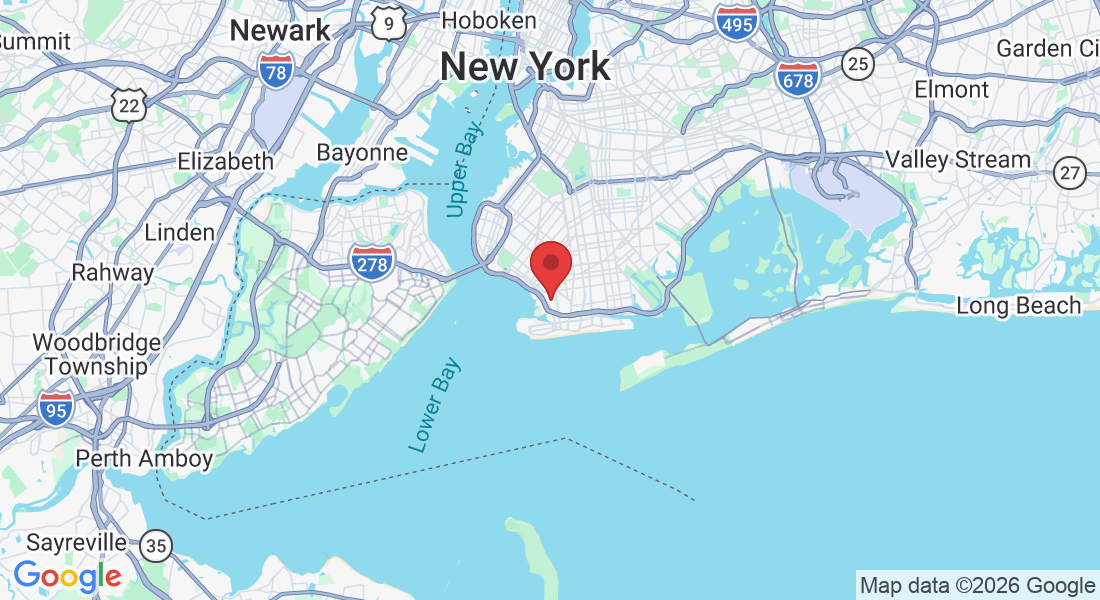
179 Bay 44th St, Brooklyn New York 11214
+1 (914) 768-4848
Open daily 9 AM–8 PM
Open daily 9 AM–8 PM

Two Cycles and Still Damp?
Dryer Repair in Brooklyn & Across NYC
A dryer that needs two or three cycles is not tired, it is telling you something. Book by 12 PM, and a certified tech is at your door today. Gas, electric, vented, and ventless heat pump units from Whirlpool and LG to Bosch, Miele, and Asko.
300+
5-Star Reviews
Licensed
& Insured
Family-Run
in Brooklyn
6+
Years in NYC
Dryer Problems We Fix

Most dryers that stopped drying are not worn out. They are blocked, tripped, or one heating component away from normal.
Runs but Produces No Heat
A failed heating element on electric, an igniter or gas valve coil on gas, or a blown thermal fuse.
Takes Two or Three Cycles to Dry
Almost always restricted airflow in the vent, not a failing machine. The dryer is working, but the air is not moving.
Shuts Off Partway Through
Thermal cutouts doing their job because heat is building up where it cannot escape.
Drum Not Turning
A snapped belt, a seized idler pulley, or worn drum rollers. The motor usually runs while nothing moves.
Squealing, Thumping or Grinding
Rollers, glides, and bearings wear out gradually and get loud before they fail completely.
Burning Smell During a Cycle
Lint against the heating element or in the duct. Stop the machine and call us the same day.
We Service
the Brands You Own
Factory-level repairs on high-end and everyday appliances alike.










Repair or Replace Your Dryer?
Here is the mistake we get called in to correct: someone replaces a dryer that takes three cycles to dry, and the new one takes three cycles too. The dryer was never the problem. A blocked or badly routed vent traps the moist air the machine is trying to push out, and no new appliance fixes that. So the first thing we establish is whether the fault is in the machine or in the duct behind it. When it is the machine, what fails are elements, igniters, thermal fuses, belts, rollers, and boards, all inexpensive parts fitted in place. Gas dryers add a reconnection on any replacement, and ventless heat pump units common in New York apartments cost several times what a standard dryer does, which makes repairing them the clear choice. When a repair genuinely exceeds what the dryer is worth, we say so.
Why NYC Chooses
Our Master Appliance

Same-Day Service

Free Service Call With Repair

90-Day Warranty

Honest Advice, No Upsell
6 Years Experience
New Customer Offers
Free Service Call
Waived with
any repair
10% Off
For New
Customers
10% Senior Discount
Our thanks to
NYC's seniors
How It Works

Book or Call
Tell us what's broken.
Online in 90 seconds
or by phone.

We Diagnose
A quick service call to find
the real issue — free when you
complete the repair.

Fixed
Most repairs done same visit,
backed by 90 days on
parts & labor.
See Why 300+
NYC Customers Trust Us
250+ five-star reviews on Thumbtack,
60+ on Google — and counting.
Find Out What Is Actually Wrong Before You Replace It
Book by 12 PM and a certified tech is at your door today. Free service
call with your completed repair, 90-day warranty on parts and labor.
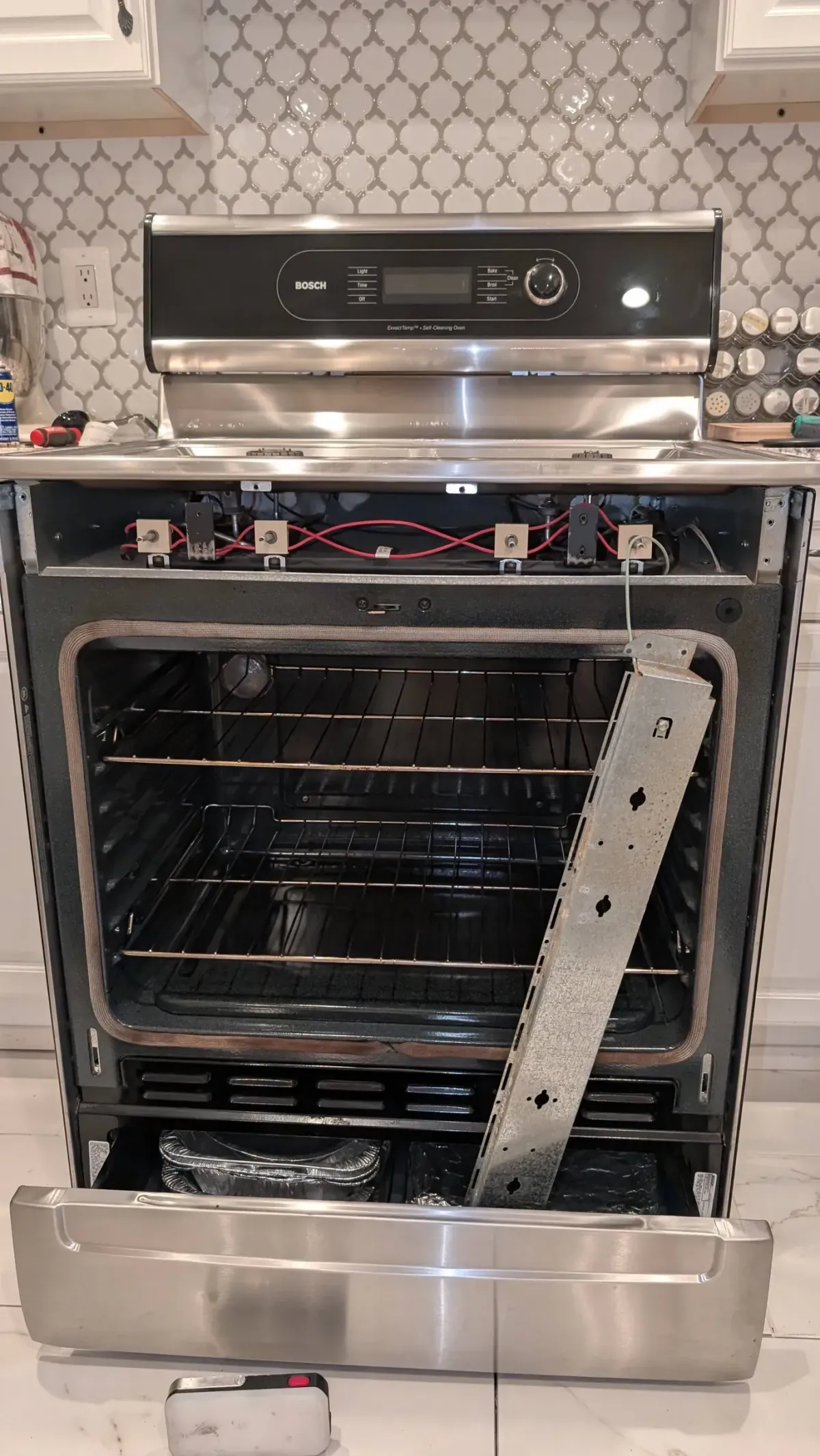
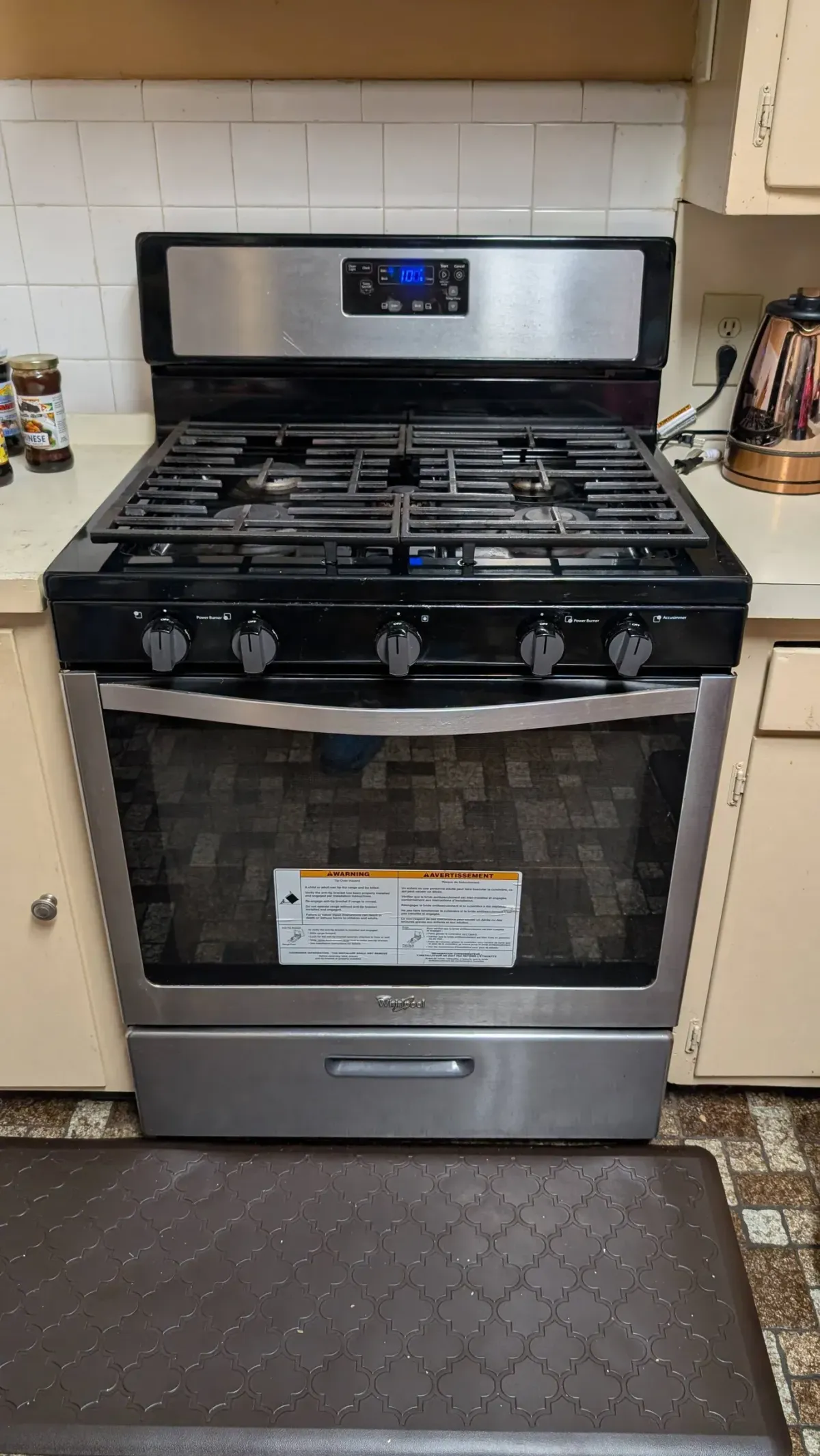
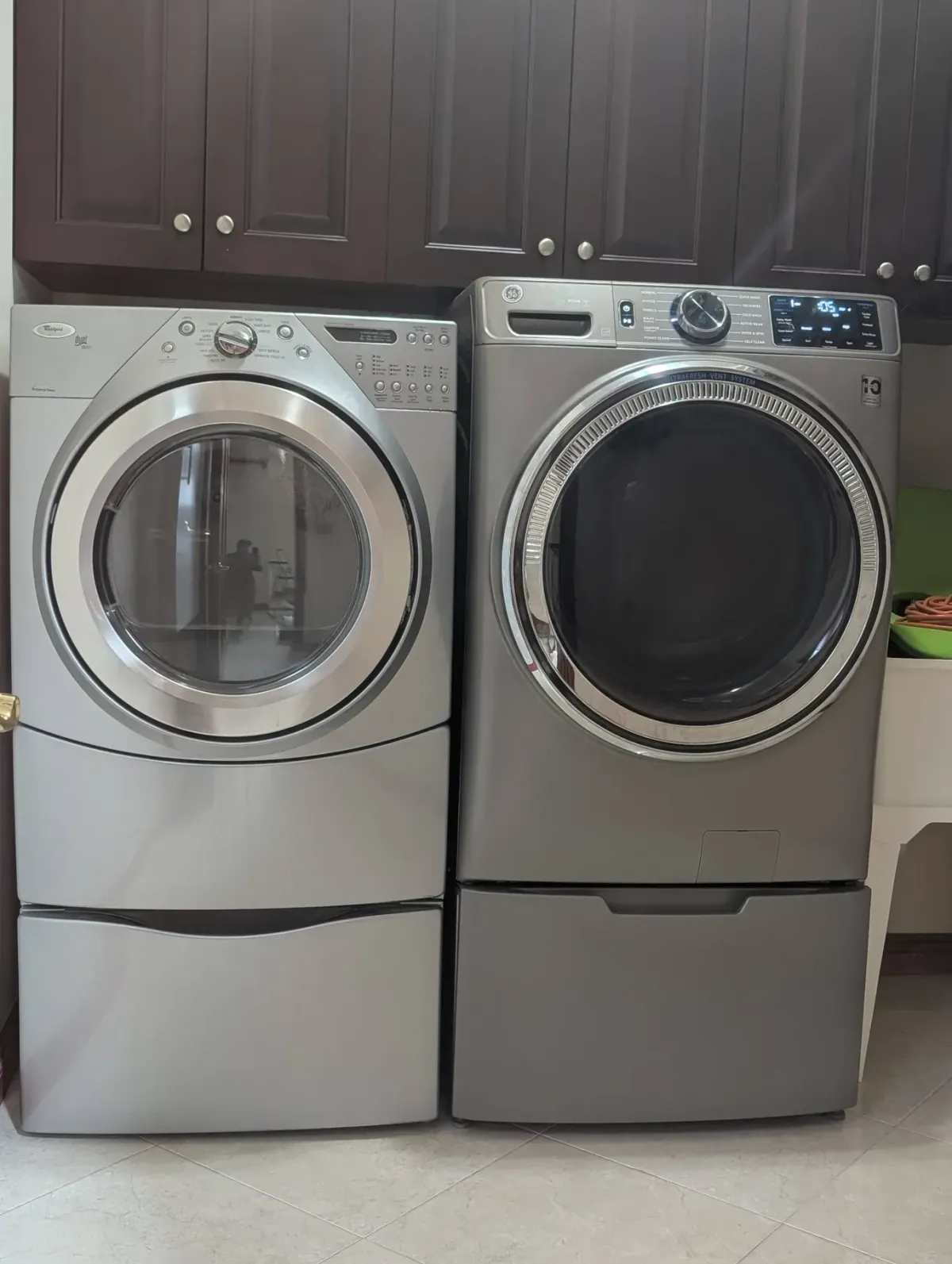
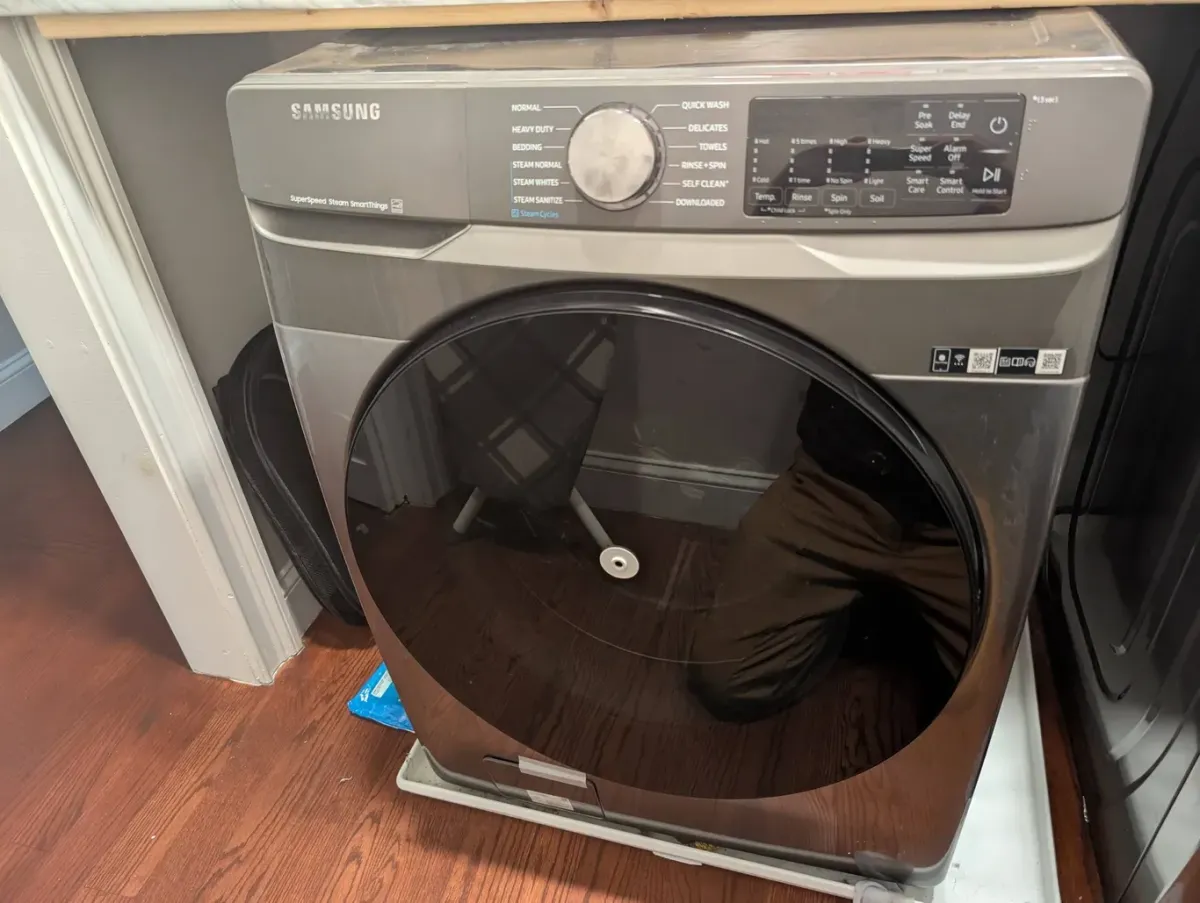
See Our Work
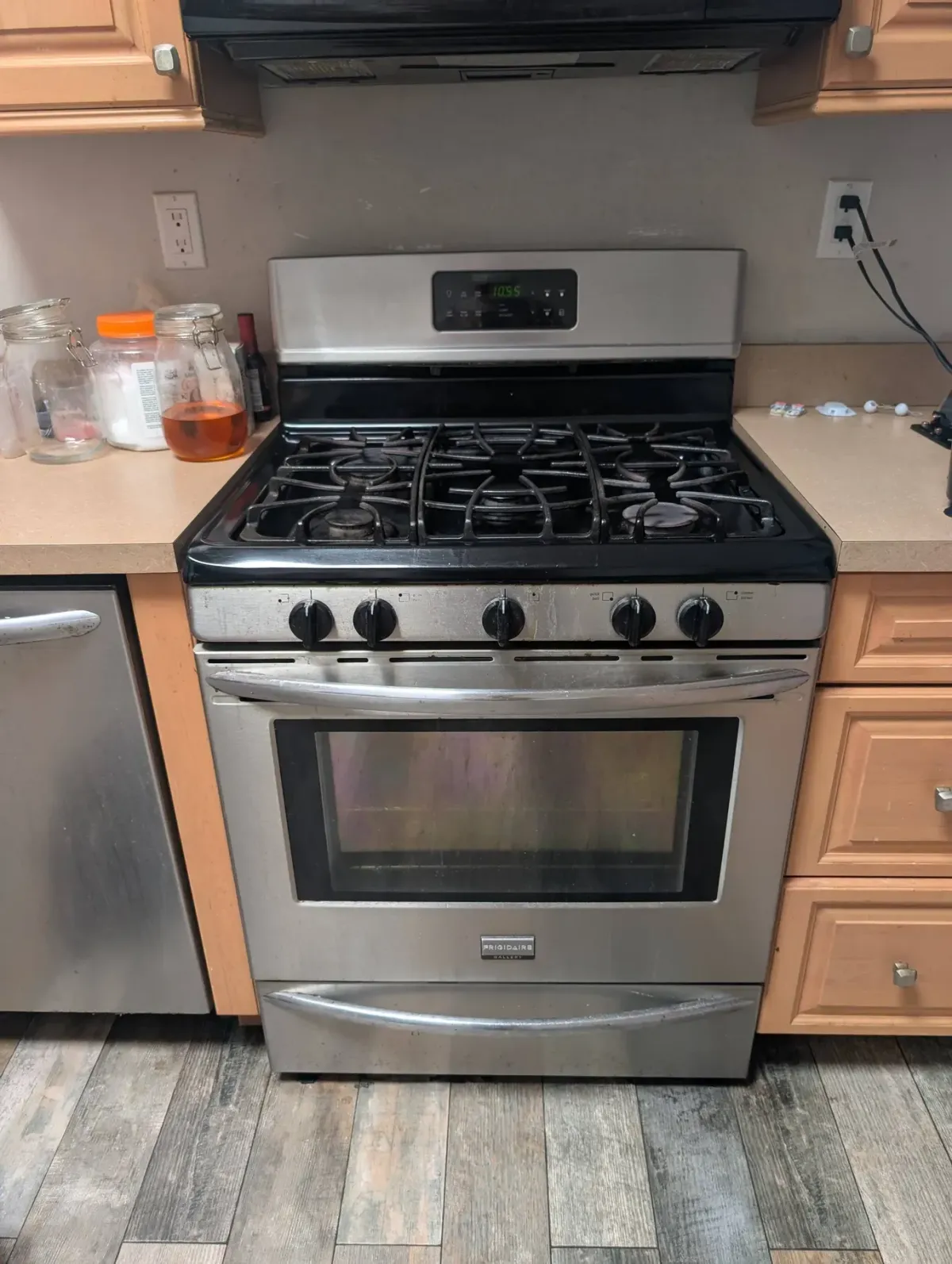
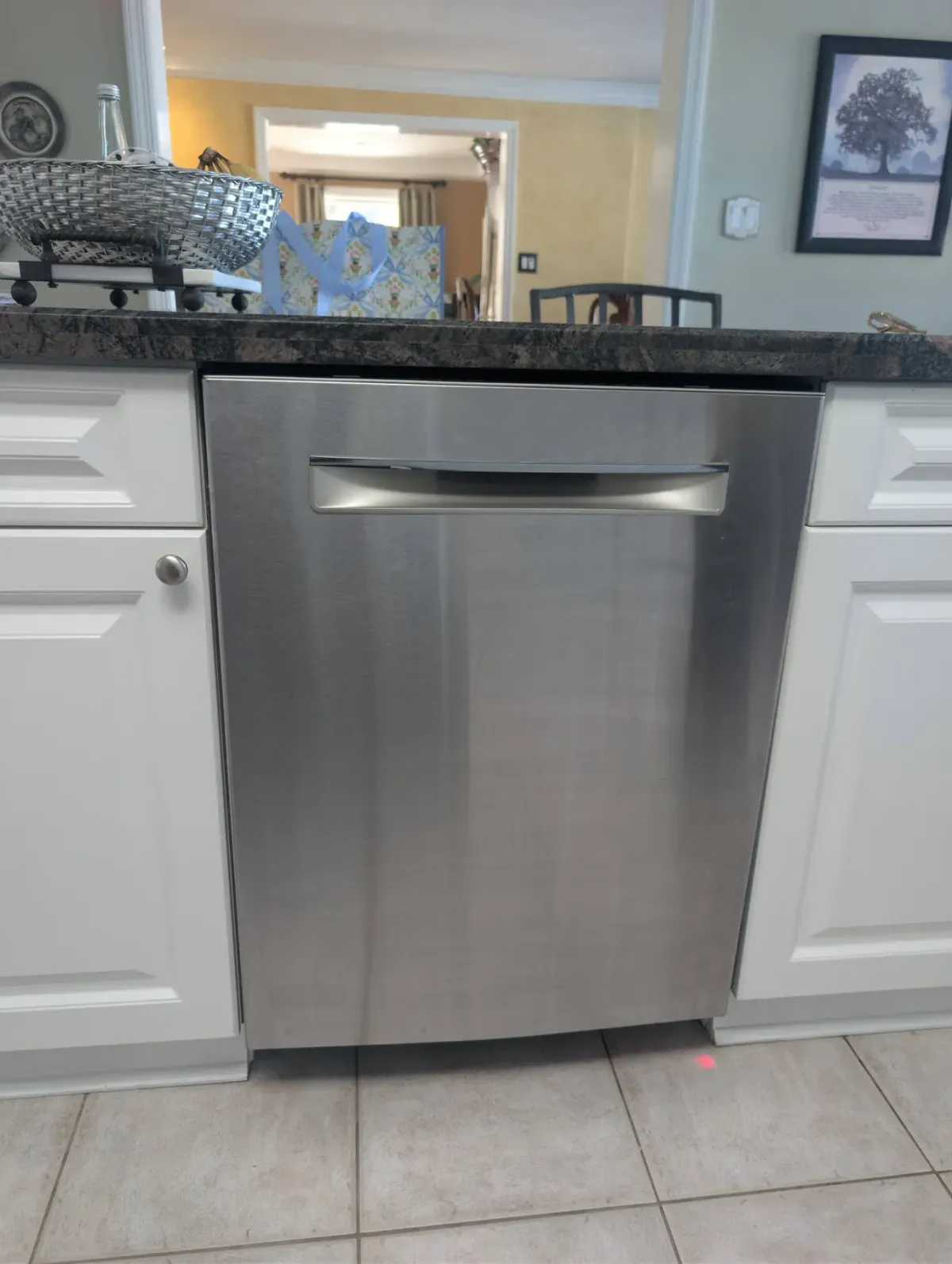
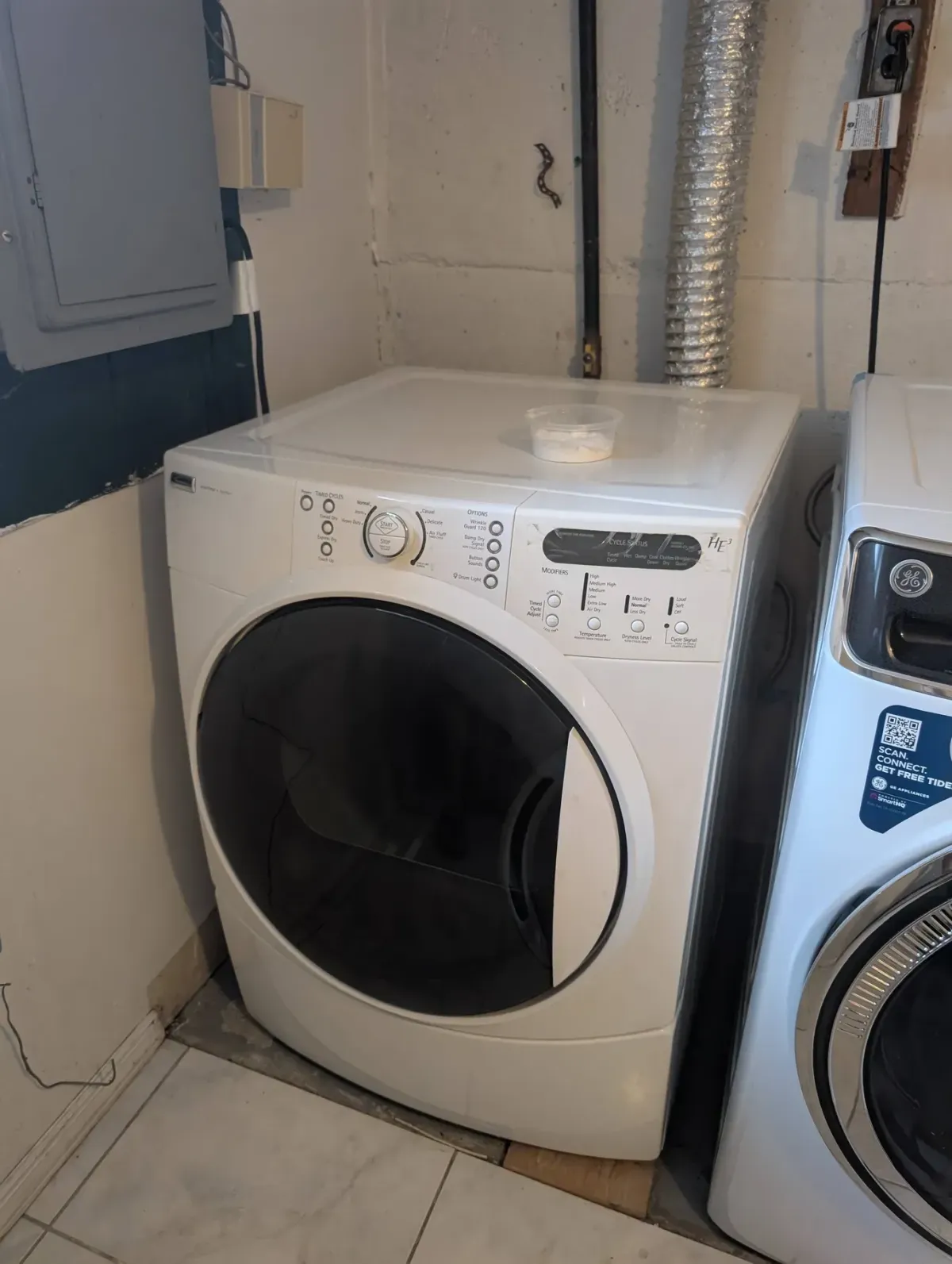
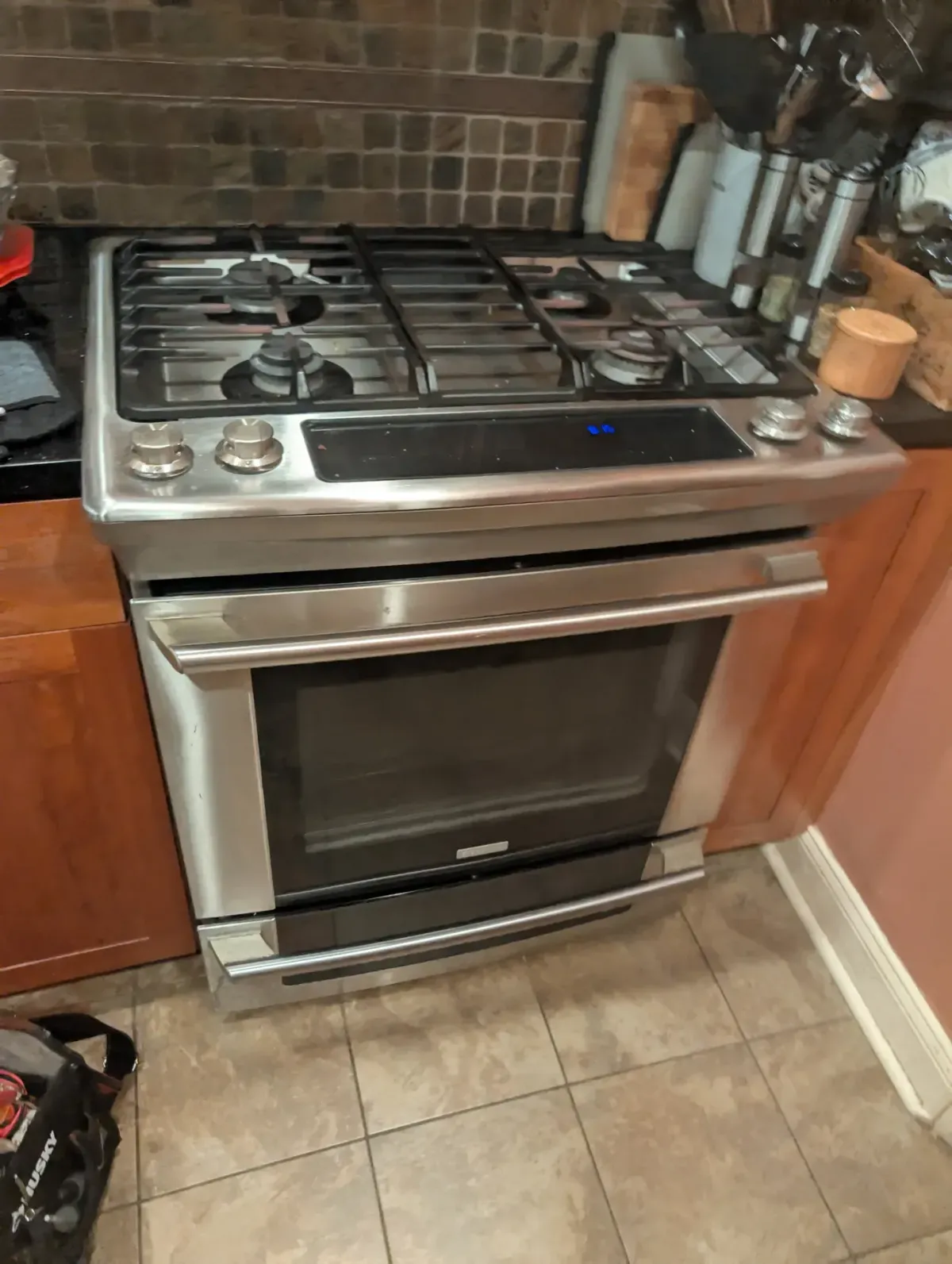
Real repairs in real New York kitchens — from Sub-Zero built-ins
in Manhattan to everyday washers in Brooklyn.
Serving Brooklyn,
Manhattan & Across NYC
Same-day appliance repair throughout New York City.

Brooklyn: Bensonhurst · Flatbush · Crown Heights · Bushwick · Bay Ridge · Sheepshead Bay
Manhattan: Upper East Side · Upper West Side · Midtown · Chelsea · Financial District
Queens: Astoria · Long Island City · Forest Hills · Flushing
The Bronx: Riverdale · Pelham Bay
Staten Island: St. George · Great Kills
Frequently Asked Questions
Why does my dryer take two or three cycles to dry a load?
It takes that long because the vent is restricted, not because the dryer is failing. Lint builds up in the duct over years, and a long or crushed vent run makes it worse, so the moist air cannot leave and the clothes stay damp. Clearing the vent restores normal drying times on a machine that needs nothing else done to it.
Do you clean dryer vents as well as repair dryers?
Yes, we do, and on most no-heat and slow-drying calls it is part of the diagnosis. A clogged vent is also the leading cause of dryer fires, so it is worth clearing on a schedule rather than after something goes wrong. We check the full run from the machine to the outside wall.
Do you repair gas dryers?
Yes, we do. Gas dryers fail differently from electric ones, usually at the igniter, the flame sensor, or the gas valve coils rather than a heating element. We disconnect and reconnect the dryer at the appliance connector as part of the repair.
Do you service ventless and heat-pump dryers?
Not necessarily, and this is worth checking before you call. European models from Bosch, Miele, and Thermador dry by condensation instead of a heating element, so plastics stay damp by design and the machines are working as intended. If your unit has a heated dry setting and dishes are still soaking, then the element, the vent, or the rinse aid dispenser has failed, and we repair it.
My dryer smells like something is burning. Can I finish the load?
No, stop it now and unplug it or shut off the gas. That smell means lint has reached the heating element or is packed into the duct, and it is the single most dangerous fault this appliance has. Book a same-day visit and leave the machine off until we have looked at it.
My dryer runs but never gets hot. Is that worth repairing?
Yes, it usually is. No heat almost always comes down to a heating element, an igniter, a thermal fuse, or a thermostat, and all of them are inexpensive parts fitted the same visit. A blown thermal fuse also points back to a blocked vent, so we check the airflow before returning the machine to service.
Our Master Appliance LLC
Family-run, licensed and insured appliance repair in Brooklyn — serving all five boroughs with same-day service and honest pricing since 2020.
+1 (914) 768-4848
Quick Links
About
Services
Contact
Connect Us




2026 © All Rights Reserved.